Nvidia security chief transition amid federal investigation
Nvidia's chief security officer stepped down in August, succeeded by a ReversingLabs veteran, as CEO Jensen Huang departed amid a federal probe into a chip firm and scrutiny of his personal relationships.
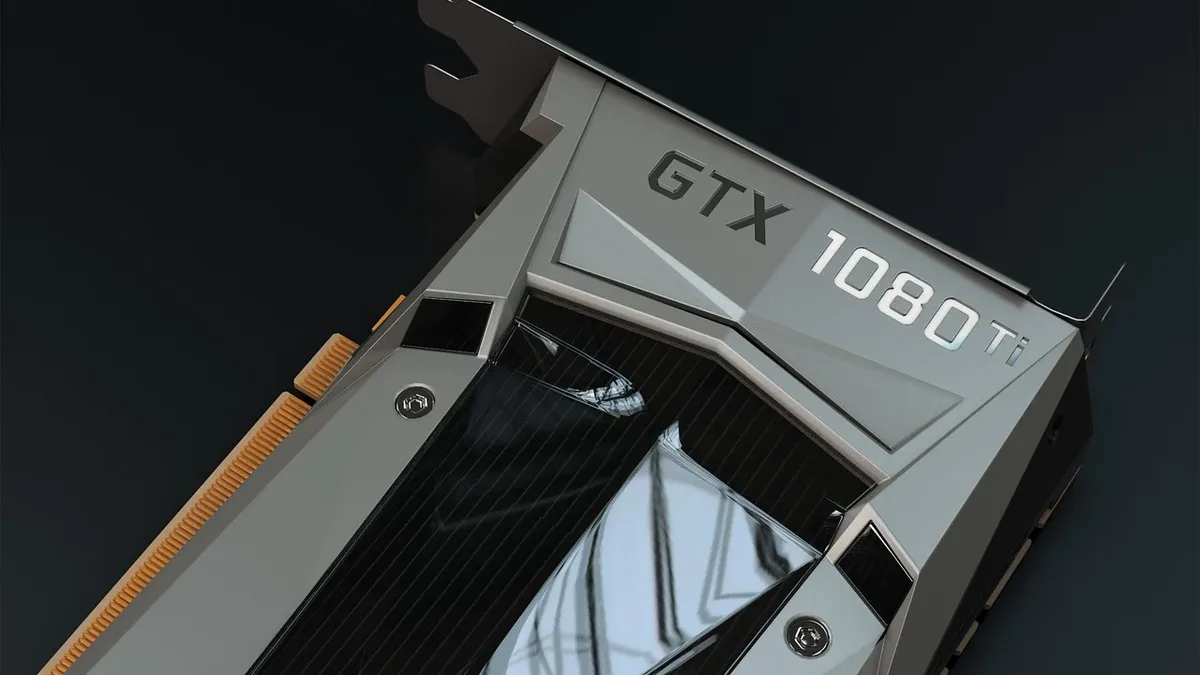
Nvidia replaced its longtime chief security officer in August, citing health reasons, as federal investigators probed a chip diversion case and CEO Jensen Huang faced scrutiny over his personal relationships. David Reber, the company's chief security officer and head of product security, stepped down after four and a half years. His successor, Saša Zdjelar, joined from ReversingLabs following a 17-year tenure at ExxonMobil and a year at Salesforce.
Reber disclosed his departure was due to a young-onset Parkinson's diagnosis made more than two years prior. In a LinkedIn post, he stated his priorities had shifted. "This wasn’t a pivot I had planned. But I know what needs to come first: family and health," David Reber said. Zdjelar did not respond to questions about the transition or what the security team knew. No public information connects the leadership change to the ongoing federal investigation.
Federal investigation into Megaspeed intensifies
A federal investigation is focusing on Megaspeed, a Singapore-based data center firm suspected of funneling Nvidia chips to China. The company has denied any wrongdoing. Nvidia's top lawyer was involved in the government inquiry over a year ago, and the company stated it regularly contacts officials regarding the matter.
The board’s independent investigation and federal inquiries are ongoing. They may clarify what Nvidia’s security team knew and whether they could have acted. Huang departed Nvidia in October amid this growing scrutiny.
Executive relationships raise security concerns
Huang's departure followed reports detailing his extramarital relationships with subordinates. Five Nvidia employees told reporters Huang was involved with a vice president who reported directly to him. Reuters reported a second relationship with two other employees, though details are limited. It is unclear if these reports reached the security team. Nvidia's code of conduct does not expressly forbid relationships with subordinates.
Security specialists state that such executive affairs can create personal vulnerabilities that foreign intelligence services may exploit for leverage. It is unknown whether sophisticated surveillance tools, like IMSI catchers, were used against Huang. Basic versions of these devices, which mimic cell towers, cost about $1,000 and fit in a suitcase, while government-grade models are significantly more expensive.
Security team limitations and expert warnings
Security teams at firms like Nvidia are often defined narrowly and are typically underfunded. They usually focus on physical threats and cyberattacks rather than insider threats like executive relationships cultivated by foreign intelligence. Retired senior intelligence officer Nicholas Eftimiades, who has trained over 1,000 corporate security professionals, stated that foreign intelligence services exploit personal vulnerabilities through everyday conversation rather than hacking.
He warned that U.S. industry is largely unprepared for such tactics. "We have lost trillions [of dollars] in intellectual property. Whatever we think we’re doing isn't working," Nicholas Eftimiades said. He noted it is common for CEOs to respond to warnings with minimal action beyond basic compliance.
Former intelligence officers and recruiters report that chip, AI, and tech firms have significantly increased their security efforts in recent years due to booming AI demand. However, demand for experienced security talent currently outstrips supply. Experts argue security teams need to pay greater attention to insider threats, including cultivation by foreign intelligence services and suspicious business relationships. The board's independent investigation and federal inquiries are ongoing and may clarify what Nvidia’s security team knew and whether they could have acted.