Nvidia Executives to Debate Open vs. Closed AI at TechCrunch
Nvidia's Nader Khalil and Sydney Sykes will lead a session on the business trade-offs between open and proprietary AI models at TechCrunch Disrupt 2026 in
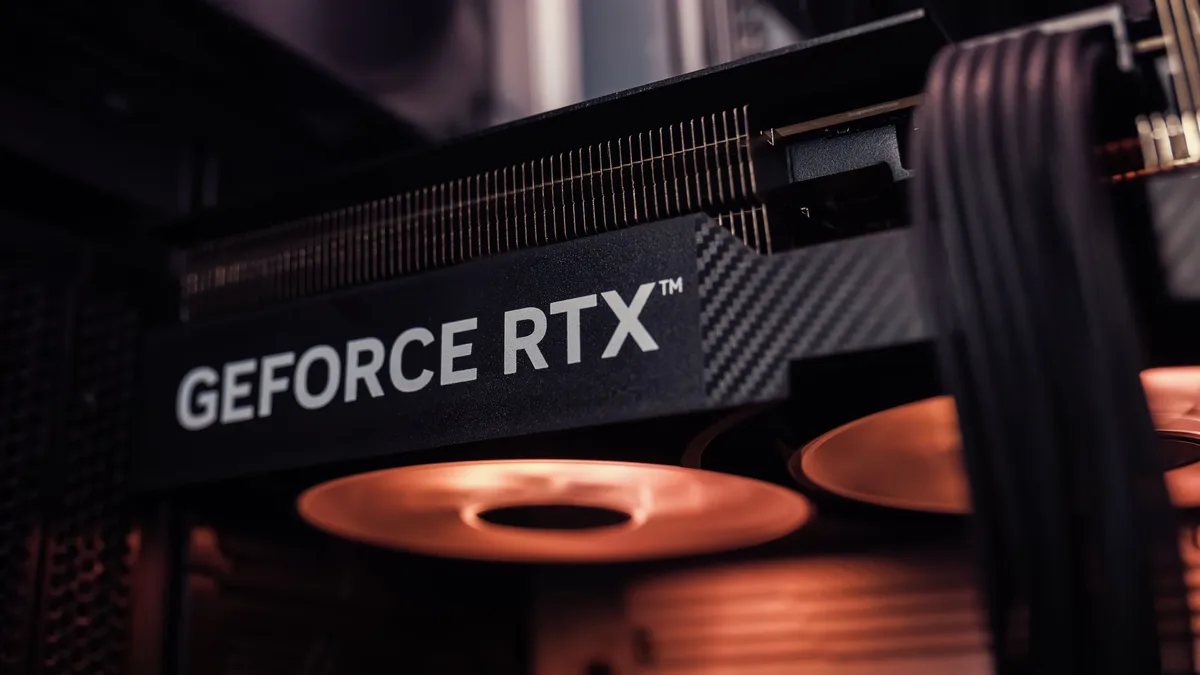
Nvidia executives will tackle one of the most pressing decisions for AI startups at an upcoming industry conference. Nader Khalil, Director of Developer Tech, and Sydney Sykes, Global Head of VC Partnerships, will lead the session "The Open vs. Closed AI Debate Is Just Getting Started" at TechCrunch Disrupt 2026.
The event is scheduled for October 13-15 in San Francisco. According to the source, the discussion will move beyond philosophy to examine the concrete business trade-offs between using open-source and proprietary AI models.
The Closing Gap in AI Capabilities
Open models have advanced rapidly. Nvidia reported that 145 papers accepted at the ICML 2026 conference cited its Nemotron open models and datasets. Proprietary frontier labs, however, continue to push capabilities forward. The market question is now less about whether open models can be useful and more about where each approach makes commercial sense.
Nvidia CEO Jensen Huang has argued the future is not proprietary versus open, but proprietary and open. The session will unpack the practical implications of this hybrid reality for companies trying to build a product.
Builder and Investor Perspectives on the AI Stack
Nader Khalil brings a builder's perspective to the debate. Before his role at Nvidia, he co-founded Brev.dev, an AI infrastructure company acquired by Nvidia in July 2024. Brev.dev focused on simplifying GPU access across different environments, aiming to prevent vendor lock-in.
Sydney Sykes contributes the venture capital viewpoint. Together, their discussion will examine the same foundational decision from two angles: what developers need to build and what makes a company investable and scalable.
The Search for a Competitive Moat
A core question behind the model choice is where a company's competitive advantage truly lies. If rivals can access the same proprietary API, differentiation must come from elsewhere-proprietary data, unique workflows, or customer relationships. Choosing an open model offers more control but also brings burdens of deployment, optimization, and infrastructure management.
Nvidia is investing in the open ecosystem. It launched the Nemotron 3 Super, an open 120-billion-parameter model designed for agentic workloads, in March. Companies are already combining it with proprietary models, treating the approaches as complementary rather than exclusive.
The economics can shift with workload and scale. This makes the initial decision critical for founders, affecting margins, fundraising narratives, and product roadmaps. For investors, it highlights where genuine defensibility exists in a company's technology stack. The session aims to provide a clearer understanding of these trade-offs for all attendees, moving past abstract arguments to practical guidance.