OpenAI Launches GPT-6 Astra, Claims AGI Era May Have Begun
OpenAI announced its GPT-6 Astra model, which it claims is state-of-the-art at computer use. Company cofounder Greg Brockman suggested the launch might mark the beginning of the artificial general intelligence era.
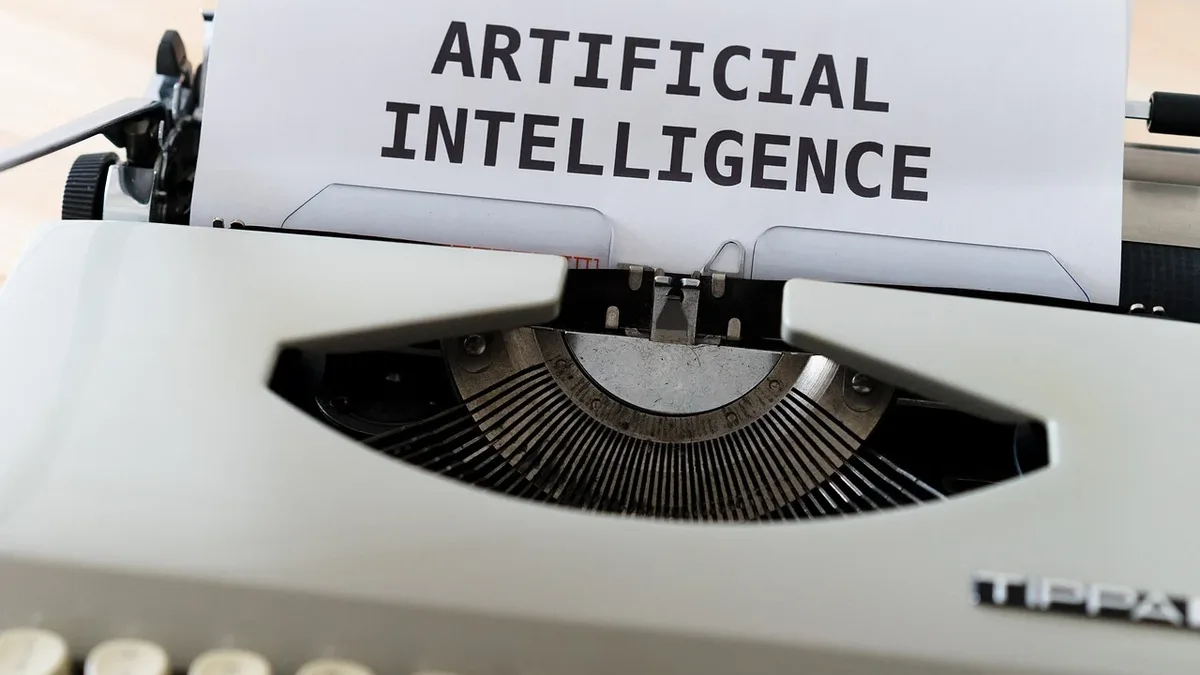
OpenAI announced the launch of its GPT-6 Astra AI model on Thursday. The company claims it is state of the art at navigating computers, writing software, and solving difficult math problems.
OpenAI plans to make GPT-6 Astra available to paid customers in the coming days. Access will begin with a limited set of organizations, including enterprise clients in its Daybreak early access program. It will then roll out to subscribers of its paid ChatGPT plans. The company did not say whether the model will be available to free users.
In a press briefing, OpenAI executives expressed strong confidence in the new model. President and cofounder Greg Brockman stated he personally believes the world is now in the era of artificial general intelligence (AGI). This refers to AI systems that are generally smarter than humans.
"It's not unreasonable to feel that we are now in the AGI era," Brockman told reporters. He suggested that in a few years, people may look back and identify this time and this model as the point AGI was created.
Capabilities and Claims
OpenAI calls GPT-6 Astra the "world's best computer use model" in a blog post. The company claims it can navigate computers and web browsers on behalf of humans far better than its predecessors. AI models have historically struggled to reliably browse websites, fill out forms, and manipulate software tools with the speed and accuracy needed to replace humans.
In tests, OpenAI says GPT-6 Astra performed tasks faster than the average person. These tasks included booking DMV appointments, searching for job listings, and hunting for apartments.
Safety and Deployment Challenges
The company also claims GPT-6 Astra is the most safe and aligned model it has ever released. Chief scientist Jakub Pachocki told reporters the company is monitoring the model's chain-of-thought. This is the model's internal scratchpad it uses to work through problems, and monitoring it is part of ensuring safe deployment.
However, Pachocki acknowledged that ensuring advanced AI models do not cause unintended harm is an increasing challenge. He suggested this may present a bottleneck to further AI progress.
"We kind of take this visibility for granted, and we are seeing that as model capabilities are increasing, monitorability is getting more challenging," said Pachocki. He added that confidence in monitoring may constrain further development, as the company would not accept degradation in its ability to monitor model alignment beyond a certain level.
Strategic Context
The release comes at a critical moment for OpenAI. The ChatGPT maker is trying to rapidly advance its technology and boost sales ahead of a planned initial public offering. It aims to do this while simultaneously avoiding compromises on safety and security.
The company is also facing stiff competition from Anthropic, identified as its most important rival. Anthropic is also working on an upcoming IPO.
OpenAI's rollout strategy prioritizes enterprise and paid users first. The following table outlines the planned access tiers mentioned in the source.
Pachocki stated the company would withhold scaling the technology until it can regain enough confidence in its monitoring capabilities if those capabilities degrade.