Huawei Moves Ascend 960DT AI Chip Launch to Q1 2027
Huawei plans to launch its next-generation Ascend 960DT AI chip in the first quarter of 2027, accelerating its schedule to challenge Nvidia.
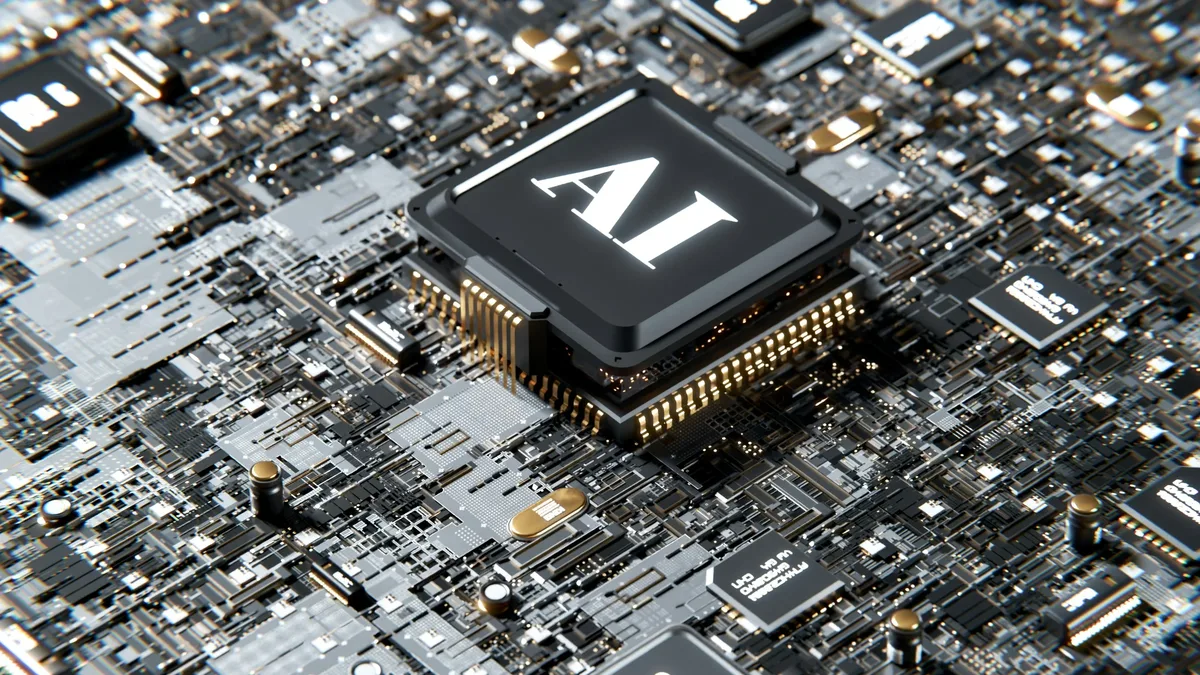
Huawei has moved up the launch of its next-generation Ascend 960DT AI chip to the first quarter of 2027. The Chinese tech giant made the announcement at its Huawei Connect conference, accelerating its original schedule by two quarters in a race to compete with Nvidia.
A company spokesperson told TechCrunch the chip was previously planned for a Q3 2027 release. David Wang, Huawei’s rotating and acting chairman, confirmed the updated schedule. “The Ascend 960DT is expected to be ready in Q1 2027,” the spokesperson said. They added that the Ascend 960 chips are launching ahead of schedule with a doubling of performance.
Peerium Computing Architecture
The new chip is part of a broader systems approach Huawei calls its Peerium Computing Architecture. This strategy aims to turn hundreds of thousands, and eventually millions, of AI chips into a single, giant computer. The architecture relies on Huawei's proprietary UnifiedBus technology to link processors with memory, storage, and networking hardware.
Eric Xu, another rotating chairman at Huawei, stated the company is using this new architecture to build larger AI computing systems designed for both training and inference. The first systems based on this framework are the Atlas 950 SuperPoD and SuperCluster. Huawei claims an Atlas 950 SuperCluster can connect up to 256,000 accelerator cards.
Questions on System Scale
The accelerated chip timeline has raised questions about the scale of Huawei's accompanying AI systems. China tech analyst Rui Ma noted a discrepancy on the social media platform X. She pointed out that Huawei had previously stated its Atlas 960 SuperPoD would scale to 15,488 Ascend 960 chips. This week's announcement, however, referred to a system with only 4,096 chips.
“The chip itself is coming WAY earlier, but the SuperPoD they announced is much smaller than what they originally laid out,” Ma wrote. This suggests a potential scaling back of initial system ambitions despite the faster chip development.
Geopolitical Context
The announcement arrives amid ongoing U.S. Restrictions on China's access to advanced semiconductor technology. Huawei has continued to advance its chip ambitions despite these limits. Analyst Rui Ma argued that such restrictions are unlikely to halt China's progress. I think it’s futile to stop China’s development in semiconductors because the stakes for self-sufficiency are just too high at this point, she wrote.
The news also comes just a week before a scheduled meeting between U.S. President Trump and Chinese President Xi Jinping. According to the Financial Times, Huawei's Eric Xu has argued that China needs to accelerate AI development to catch up with the United States. He contends Chinese companies must advance further before they can fully understand and address the risks posed by more powerful AI systems. This contrasts with calls from some AI industry leaders to slow development over safety concerns, a position President Trump has pushed back against in favor of maintaining a U.S. Lead.
The company's spokesperson confirmed the updated timeline was announced by David Wang at the Huawei Connect conference in Shanghai.