Trump Administration Backs OpenAI in NYT Copyright Case
The Trump administration has filed a legal brief supporting OpenAI's use of copyrighted material to train its large language models, arguing it is critical
The Trump administration has formally sided with OpenAI in a high-profile copyright lawsuit filed by The New York Times. In a 20-page legal brief, the government defended the AI company's practice of training its models on copyrighted works without a license.
According to the brief, the United States has a strong interest in fostering a robust and competitive AI industry. It states that constraining the development of large language models (LLMs) under a misunderstanding of fair use doctrine would hinder creative and scientific progress. The document references an executive order signed by President Donald Trump last year, emphasizing the need to retain global leadership in artificial intelligence.
The Core Legal Debate
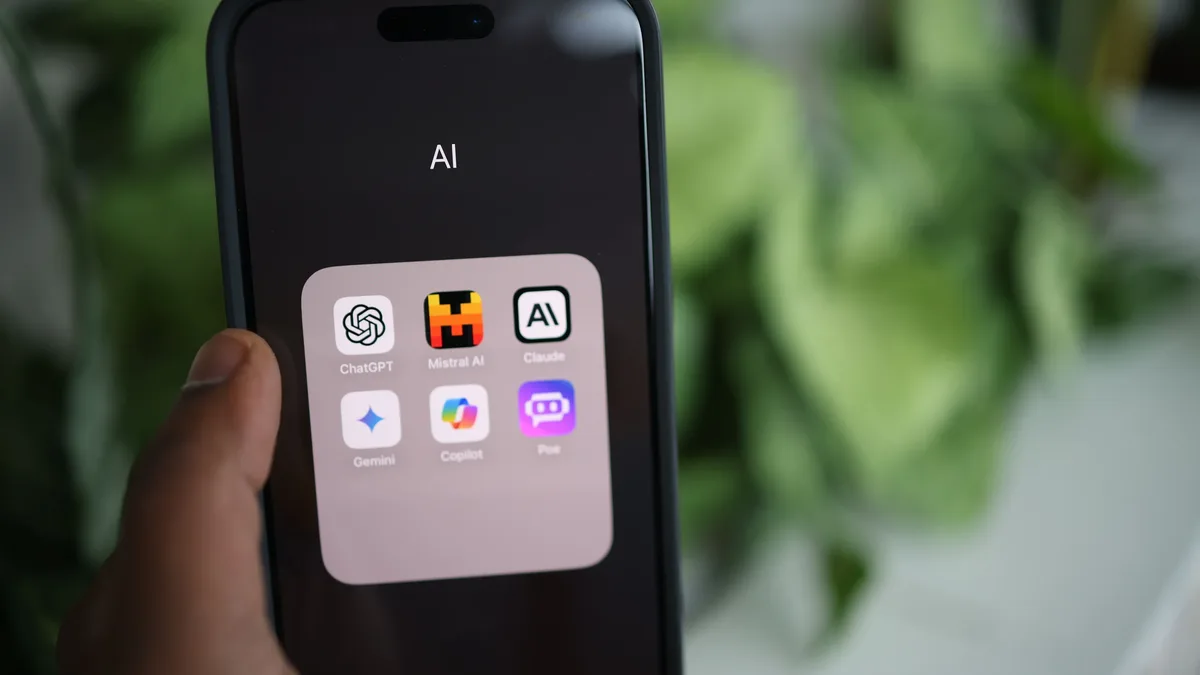
The lawsuit centers on whether AI companies can legally use copyrighted books, articles, and other media to train models like ChatGPT, Claude, and Gemini. Publishers, including The New York Times, argue this practice is illegal. The legal question is not clear-cut and often hinges on the fair use doctrine in copyright law.
Fair use allows for the unlicensed use of copyrighted material in certain scenarios. A key factor is whether the use is transformative, meaning it adds new expression or purpose. The government's brief argues that AI training is a transformative, fair use. It compares the process to a human reader learning from books to create something new.
Precedents in AI Copyright Cases
So far, court rulings have largely been favorable to AI companies on the specific issue of training. A notable case last year involved Anthropic, the maker of Claude. Judge William Alsup ordered the company to pay a $1.5 billion settlement to a group of writers. However, the fine was not for the act of training AI on copyrighted works.
Instead, Anthropic was penalized for using illegal shadow libraries to pirate the books used for training. In his ruling, Judge Alsup drew a direct analogy between AI and human learning. He stated that like any reader aspiring to be a writer, Anthropic's LLMs trained upon works not to race ahead and replicate or supplant them, but to turn a hard corner and create something different.
The Impact of the Government's Move
The administration's brief is not a judicial ruling. The case is being heard in the U.S. District Court for the Southern District of New York, where the authors of the brief have no jurisdiction. Nevertheless, this intervention by the executive branch could influence the court's deliberations.
The government's position frames the issue as a matter of national economic and technological policy. It warns that imposing strict limitations on training data would thwart American prosperity and economic mobility. The brief aims to protect the current industry practice of compiling massive, unlicensed datasets to fuel AI development. This stance puts the US government directly in opposition with major publishers seeking compensation and control over how their content is used.