Apple wins expedited access to OpenAI hiring records in lawsuit
A U.S. judge granted Apple expedited discovery, forcing OpenAI to hand over hiring documents and private messages within days in a trade secrets lawsuit centered on OpenAI's consumer hardware ambitions.
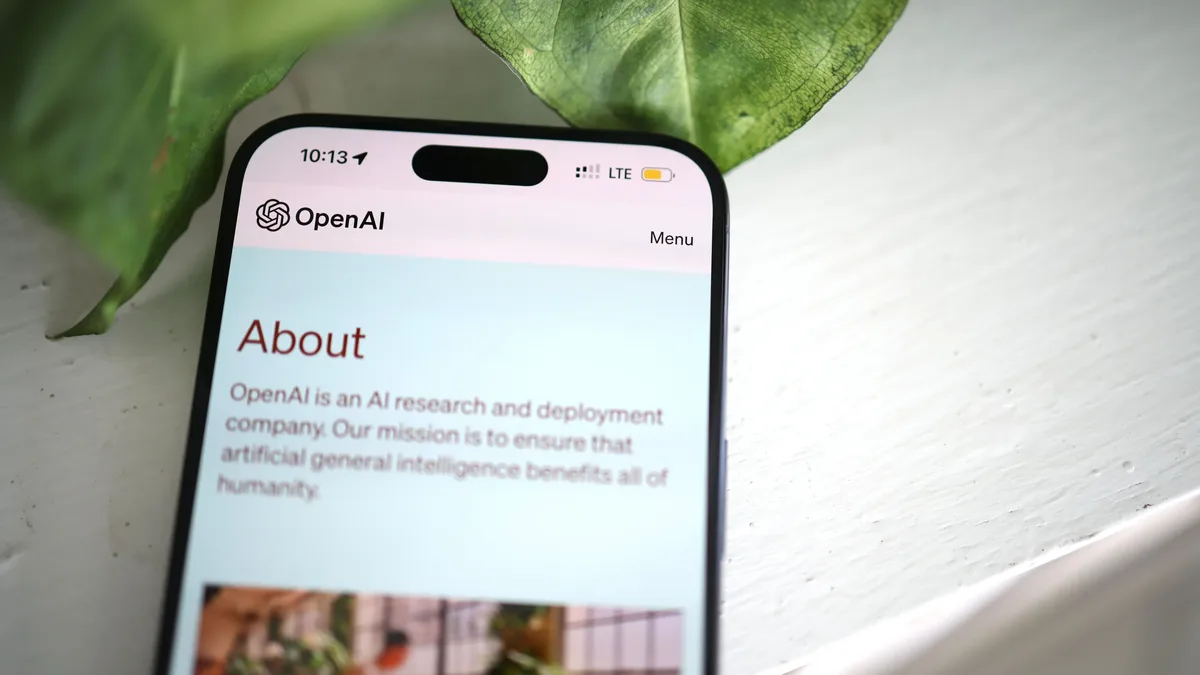
A U.S. District Judge has ruled that Apple can access OpenAI's hiring materials and internal communications as part of an escalating trade secrets lawsuit. Judge Edward Davila approved part of Apple's discovery request, granting the company expedited access to documents related to OpenAI's interviews with former Apple employees.
Judge Edward Davila said: "The court gave OpenAI five days to turn over materials it has already collected and 14 days for any other materials related to this request." The order compels OpenAI to produce interview guides, checklists, instructions, manuals, scripts, and technical presentations used for candidates in its Consumer Hardware Products Group. Apple also obtained access to private messages exchanged on the LINE app between key employees, including OpenAI staff Chang Liu and Alyssa Peng.
The ruling stems from a lawsuit Apple filed in July 2026, alleging a coordinated pattern of trade secret theft. Apple claims former employees used Apple laptops to download confidential material about unannounced technologies and products. The case names former Apple employees Chang Liu and Tang Yew Tan, OpenAI's chief hardware officer, as defendants, along with corporate entities OpenAI Foundation, OpenAI Group PBC, and io Products LLC.
Judge sets tight deadlines for OpenAI to comply with document requests
OpenAI faces strict deadlines to comply with the court's discovery order. The company must provide all relevant materials it has already collected within five days. Any additional materials covered by the approved requests must be turned over within 14 days.
The court also approved depositions for OpenAI employees Chang Liu and Alyssa Peng, and hardware officer Tang Yew Tan. These depositions must occur within 30 days after Apple receives all document responses. A corporate-designee deposition for the OpenAI entities was also granted.
Apple’s broader requests denied but left open for refinement
The judge did not grant all of Apple's requests. He denied expedited access to OpenAI's research and development in specific areas like metal finishes and power management. Broader requests covering OpenAI’s general hardware research and information about work created by former employees at OpenAI were also rejected.
These denials were not final. Judge Davila allowed Apple to narrow those requests and seek the information again. The court specifically deferred ruling on any requests using the term ‘Apple Originated Information,’ telling Apple to submit a more tailored definition within five days.
Case centers on allegations of trade secret theft via former Apple employees
The lawsuit alleges former Apple employees at OpenAI coached other prospective recruits on what confidential information to bring to their interviews. Apple's lawsuit allegations said: "Apple accused OpenAI of a pattern of theft, which includes direct complaints about former employees using Apple laptops to download confidential material." The complaint alleges this was part of an enterprise to exploit Apple's secrets and advance OpenAI’s entry into the consumer hardware market.
Apple filed for a preliminary injunction in early August 2026, followed by a request for expedited discovery. The court found good cause for limited discovery, agreeing that forensic evidence was transient and that alleged secrets could become so deeply entangled with OpenAI’s hardware products or other research and development efforts that the harm cannot be undone.
OpenAI’s consumer hardware device development remains a focal point
The legal battle shows OpenAI's development of a consumer hardware device, a product that could potentially rival smartphones like the iPhone. Apple's core allegation is that this hardware effort relies on misappropriated trade secrets. The dispute highlights the intensifying competition in AI hardware development and how companies are using the courts to protect intellectual property.
OpenAI must now provide the ordered materials within the court's five and fourteen-day deadlines.